Reviewing casino game providers live dealer streams for Aussie players


When you sit down to compare casino game providers live dealer platforms, the first thing that matters is how the stream actually behaves on your screen. You want the croupier to feel present, the table to load without fuss, and the whole session to run smoothly from the first hand to the last. That is the practical angle we are taking here, walking through what a player encounters rather than chasing hype.
In my work across lifecycle automation for membership and APAC digital campaigns, I have seen how a delayed hand or a clunky lobby can quietly erode retention. The same logic applies here: if the interface does not hold attention through a busy arvo, the session ends early. We will look at how these streams present themselves, how localisation shapes the everyday experience, and how support and loyalty mechanics keep a player moving through the funnel without friction.
How the live dealer table loads and plays out

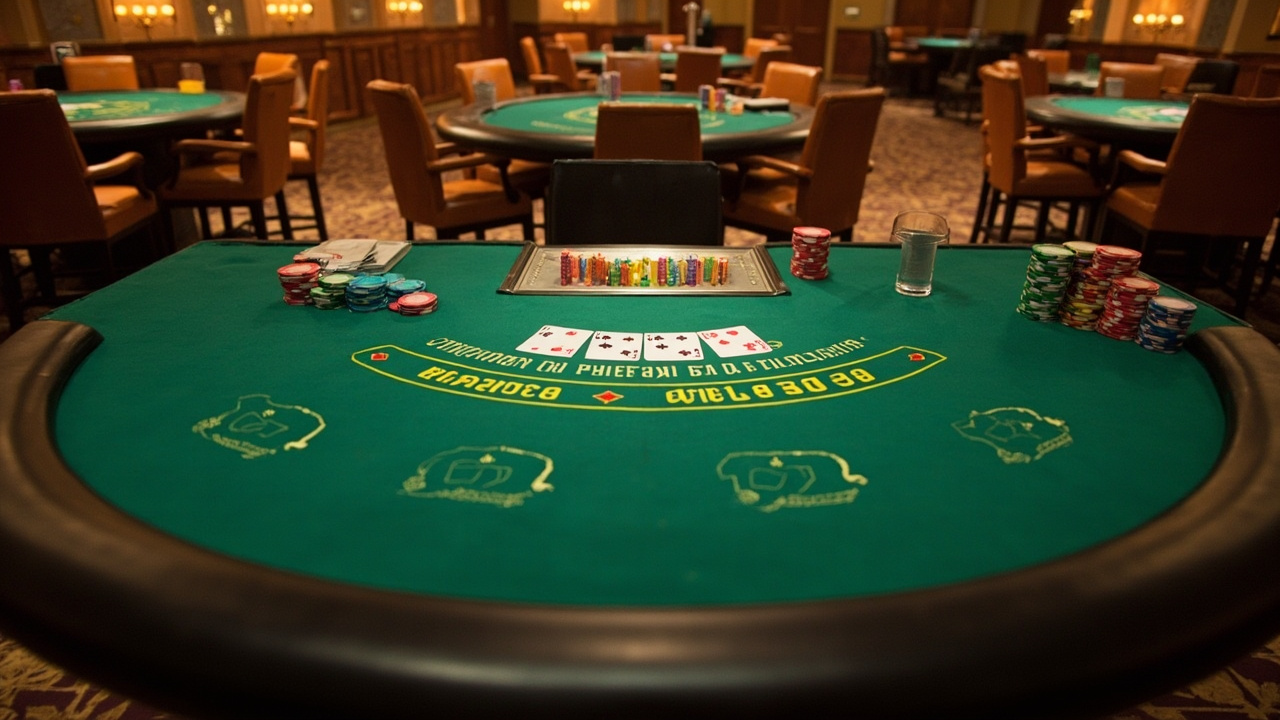
The first moment you encounter a live dealer lobby is the load sequence, and that is where the provider’s infrastructure shows itself. A well-built stream opens with a clear table grid, visible stakes, and a dealer ready to greet the room, rather than leaving you staring at a buffering overlay. When you tap into a session, the camera feed should settle quickly, the betting controls should respond on the first tap, and the chat panel should sit where you can actually read it without covering the felt. If the stream drops frames or the audio drifts out of sync, the whole table feels distant, and that is the moment most players drift away.
I have run retention campaigns where a three-second delay in content delivery cut session length noticeably, and live tables work the same way. The difference is that here the delay is visible, not hidden in a backend queue. A provider that keeps the feed stable, marks actions clearly on the virtual table, and shows the shoe or wheel state without ambiguity is doing the hard work quietly. You can tell a lot from how the interface handles a busy moment: does the bet timer stay readable, do the payout animations stay brief, and does the dealer acknowledge the room without slowing the pace?
For players comparing options around Perth and the broader Australian market, the practical test is simple: open the lobby on a phone, place a small bet, and watch how the table behaves when the room fills. A stream that stays steady through a full shoe or several wheel spins tells you more than any marketing line. If you want to see how a provider’s presentation holds up under real play, try a wanted dead or a wild demo and watch whether the table layout, the dealer pacing, and the betting controls stay consistent from the first hand to the last.
Beyond the feed itself, the table controls need to respect how people actually play. Sticky bets, clear bet history, and a visible balance that updates without lag all matter more than decorative flourishes. A dealer who calls the action plainly and keeps the rhythm steady is worth more than a polished intro sequence that never repeats. The point is that the player should spend their attention on the game, not on figuring out where the chip selector went.
Localisation, currency and everyday usability on Australian screens
Localisation is where a live dealer platform either feels built for the room or feels imported and half-adapted. For an Australian player, that starts with language and currency, then moves into how the lobby structures its tables and how easy it is to find the stake range you actually want. A clean interface will show AUD balances upfront, list table limits in plain numbers, and keep the navigation labels short enough to read on a phone without zooming. When a platform forces you to translate stake tables in your head or hunt through a cluttered menu, the session loses momentum before the first card is dealt.
I have seen the same usability problem across membership funnels in the UK and Europe, where a currency toggle buried three screens deep quietly suppresses conversion. The lesson carries over here: if a player cannot confirm their balance and table limits in a single glance, they will not stay. Good localisation also means the dealer’s language, the chat tone, and the pace of the table suit the audience sitting in front of the camera. A room aimed at an Australian evening should feel natural in its pacing and clear in its calls, not stiff and over-explained.
A few details separate a workable lobby from one that keeps getting in the way:

- Balance and stake labels shown in AUD without extra conversion steps
- Table limits listed plainly, with min and max visible before you join
- Navigation that keeps live tables, bonuses, and account actions in separate, labelled sections wanted dead or a wild demo
- Search or filter options that let you sort by dealer, table game, or stake range
- Mobile layout that keeps the bet controls reachable without obscuring the stream
The historical side of the industry is worth a quick mention because it shapes how people think about machine play, even when they are sitting at a live table. The first slot machine, the “Liberty Bell,” was invented by Charles Fey in San Francisco around 1895, and that lineage still colours how players expect a game to behave: clear outcomes, visible symbols, and a pace you can read. Live dealer tables carry that same expectation, just with a human face on the felt. When the interface respects that expectation, the session feels ordinary in the best way, which is exactly what everyday usability should do.
For players comparing options around Perth, the practical question is whether the lobby feels built for local play or simply localised after the fact. A platform that keeps currency, labels, and table structure consistent across desktop and mobile is doing the quiet work that keeps sessions moving. That is the difference between a table you return to and one you open once and leave open in a background tab.
Support, payments and loyalty mechanics that keep sessions moving
Support and payments are where a live dealer platform proves whether it is built for repeat play or just for the first deposit. A player should be able to check a withdrawal status, read a clear bonus rule, and reach someone who can actually answer a table-side question without jumping through a maze of automated replies. When the support path is short and the payment flow is legible, the whole account feels easier to live with, and that is what keeps a player coming back to the same tables.
In lifecycle marketing, the moment after a problem is resolved is often more valuable than the moment before it, because that is when trust either holds or slips. Casino dealers often rely heavily on tips, called “toks,” from players, and that is a useful reminder that the human side of the table matters as much as the software. A platform that treats support and payouts with the same care as the stream itself is signalling that the account relationship is real, not just a sign-up step.
A practical support and payments setup tends to show a few consistent things:
- Clear account paths for deposits, withdrawals, and bonus terms
- Status updates that tell you where a request is without vague placeholders
- Payment options that match what local players actually use
- Bonus rules written in plain language, with stake and game restrictions easy to find
- A loyalty structure that rewards steady play rather than only the biggest sessions
Compared with the United States, where state-by-state rules can fragment the payment and support experience, an Australian player usually wants a single, readable account path that does not shift depending on where they log in from. The point is not that one market is better, but that clarity matters everywhere. When a platform keeps its payment status, bonus terms, and support contact in predictable places, the player can focus on the table instead of the paperwork.
That same clarity should extend to loyalty and retention mechanics. A sensible programme rewards regular play with visible progress, clear tier benefits, and communications that actually match the player’s activity. If the messages feel generic or the rewards are hard to interpret, the programme stops working as a reason to return. The best setups are the ones that feel like a normal part of the account, not a separate puzzle to solve.
For players weighing options around Perth and the wider Australian market, the test is straightforward: can you understand your balance, your bonus, and your support path without a long hunt? If the answer is yes, the platform is doing the quiet work that keeps a live dealer session feeling like a normal part of the week rather than a one-off experiment.