Craps Horn Bet Explained for Australian Players


Michael Reardon has been covering casino tables since before most online lobbies existed, and he reckons the craps horn bet explained properly means understanding what you are paying for before the dice even leave the stick. For an Australian reader weighing a session on a licensed platform, the real question is whether the payout profile suits a quiet evening or a busy arvo when the pace is faster. The horn wager is a single chip on four numbers, paid out when one of those faces shows, and the structure matters more than the flash of the layout.
How the Wager Is Structured
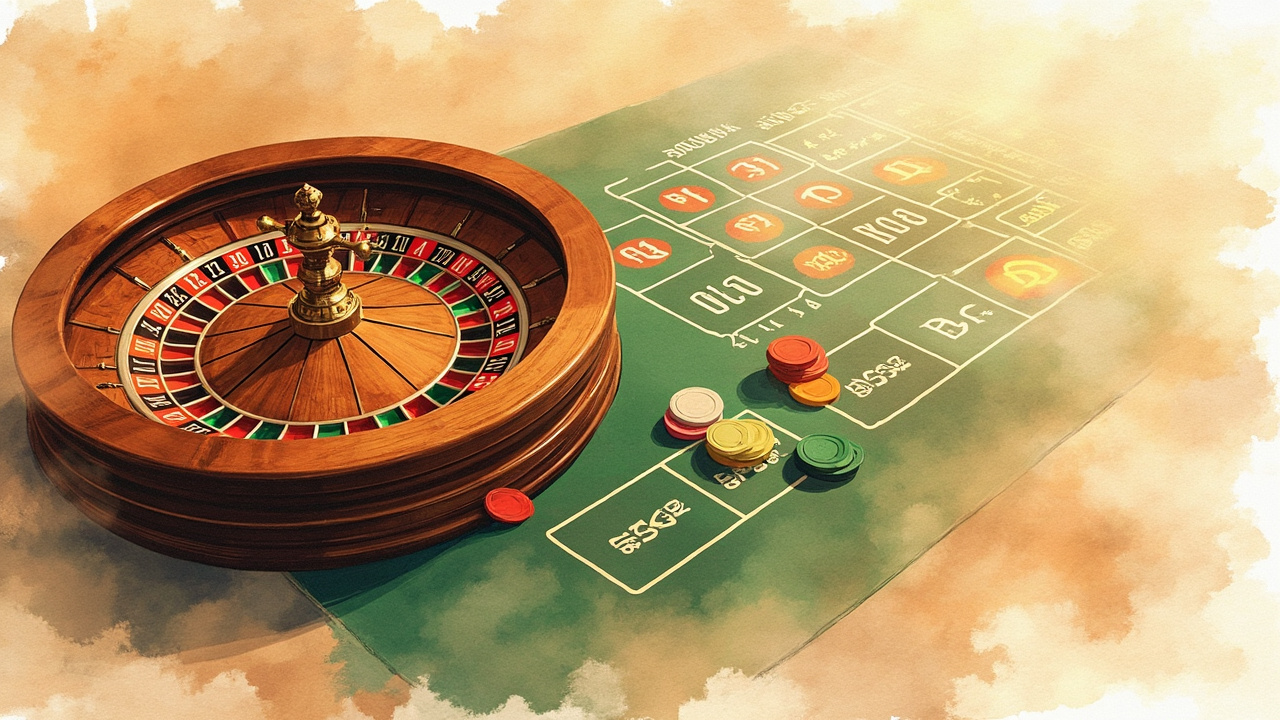
The horn bet splits one unit across the numbers two, three, five, eight, and eleven, depending on the table you are playing, with the casino keeping a small edge on the three and eleven payouts. In practice, the dealer places the chip in the centre of the horn square, and if the shooter rolls a three or eleven, the payout is usually thirteen to one on the portion of the bet assigned to that face, while the other portions are lost. That split payout is the crux of the wager, and it is why a casual player can end a session down even after seeing a hit.
When you read a craps horn bet explained on a licensed site, the details around payout fractions should be clear before you place a chip, because the math is unforgiving if the table rules are not written out. A reputable operator will show the exact fraction each number carries, the total unit required, and the net return after the dealer settles the bet, rather than leaving you to guess which portion wins. That level of detail matters in Canberra as much as anywhere else, because local players are used to clear terms on a licence rather than vague promises in a chat window.
Reading the Payouts and the Edge
The first thing worth knowing is that the horn bet is not a single number play dressed up as a centre wager, and the reality is more nuanced than the layout suggests. A common misconception is that the bet pays evenly across all four faces, when in fact the three and eleven usually carry the larger payout share while the two and twelve, if included on your table, carry a different fraction entirely. The nuance matters because a player who assumes even coverage will overvalue the bet and misunderstand why a single hit can still leave the session behind.
The second nuance is the house edge itself, which sits in a range that depends on the exact fractions and the total unit the table requires. On a standard layout, the edge is higher than a pass line wager with odds, and lower than many proposition bets that pay worse than true odds. That is the judgement call Reardon makes constantly when reviewing table lobbies: a wager can look lively on the felt and still carry an edge that does not suit a player who wants a measured session rather than a fast grind.
The third nuance is how the bet behaves across repeated rolls, because the horn wager is resolved on a single outcome and then reset, which means variance is concentrated rather than smoothed out. A player who treats it like a slow-building bet will misread the rhythm of the table, and a player who chases it after a miss will tilt faster than the layout intends. The honest read is that the horn bet is a spot wager for a specific mood, not a foundation for a long evening. 21bitbonus.com
Who the Horn Bet Suits
The horn bet suits a player who wants a defined, single-roll proposition with a payout that is interesting without pretending to be a long-term income play. It fits a session where the goal is a few sharp moments rather than a slow accumulation of action, and it suits a player who is comfortable reading the table layout before the first roll rather than asking the dealer to explain it mid-shoot. For an Australian reader, that usually means a quiet session with a clear stop point, not a late-night sprint where the pace is already working against the edge.
The bet does not suit a player who wants the lowest edge on the table, and it does not suit a player who expects the layout to behave like a pass line with free odds. If your priority is a steadier session with more control over the amount at risk, the horn wager is the wrong tool, and it is better to be honest about that before the dice are in hand. If your priority is a specific, well-defined payout on a single roll, then the horn bet earns its place on the layout.
When you are checking a craps horn bet explained on a licensed platform, look for a site that keeps the table rules visible, shows the payout fractions plainly, and does not bury the edge behind marketing language. A responsible operator will also make the session controls easy to find, because a proposition bet can move fast and a clear stop-loss or time limit is the sensible counterweight. That is the kind of setup Reardon looks for when he reviews a lobby: the wager itself is only half the story, and the controls around it tell you whether the operator is built for a measured player or just for a fast one.
A decent platform will let you set a deposit limit, view your session history, and reach support without hunting through menus, and it will settle payments in a currency that matches your account rather than forcing you to convert on the fly. Registration should be straightforward, the mobile layout should keep the table controls readable on a phone, and the loyalty programme should reward steady play rather than just pushing faster action. None of that makes the horn bet itself lower-edge, but it does tell you whether the operator is worth a session when the dice are live.

For a Canberra player or anyone else sitting down for a measured evening, the horn bet is a specific tool with a specific mood, and it rewards a player who reads the layout and respects the edge. Play it for what it is, keep the session controls in reach, and treat the payout as a single-roll feature rather than a plan.