The role of chance in casino strategies and gameplay


Understanding Chance in Casino Games
Chance is a fundamental element in the world of gambling, particularly in casino environments where games are designed around random outcomes. The unpredictability inherent in games like slots, roulette, and dice games ensures that every player experiences a unique chance to win. This randomness creates excitement and anticipation, appealing to the thrill-seekers among players, which is why many turn to pokies online australia for a diverse gaming experience. Understanding the role of chance is crucial for strategizing gameplay effectively, allowing players to prepare for a variety of outcomes.
Every game in a casino has a built-in house edge, which dictates the probability of winning versus losing for players. For instance, in roulette, the presence of zero gives the house a greater advantage. Players must acknowledge this edge and realize that while they can develop strategies, the outcome remains largely dictated by chance. This dynamic interplay between skill and luck can create tension, as players strive for strategies that may mitigate risk while still allowing for the unpredictability of chance.
Additionally, casino games often incorporate probability theories, which can help players to understand their chances in various scenarios. For example, knowing the odds of landing a specific card in blackjack can influence a player’s decision-making process. However, even with strategy, the element of surprise remains dominant, showcasing just how intertwined chance is with the player’s experience. This tension between strategy and luck is what makes gambling engaging and complex, often leading to a profound exploration of human decision-making under uncertainty.
The Psychology of Chance in Gambling
The psychology behind chance in gambling plays a significant role in how players approach their strategies. Many players believe in “hot” or “cold” streaks, where they perceive that a particular machine or table has been due for a win or has been losing consistently. This cognitive bias can lead players to make irrational decisions based on their perception of chance, which can significantly impact their gameplay strategies. Such beliefs are rooted in the human tendency to seek patterns, even when none may exist in a game of pure chance.
Moreover, the thrill of unpredictability can lead to a phenomenon known as the gambler’s fallacy, where players think they can predict future outcomes based on past results. This mindset can lure players into making bets that are not in their best interest purely based on the misconception that their chances of winning might improve. Understanding the psychology of chance and how it influences gameplay strategies can help players make more informed decisions and mitigate their risks when engaging in gambling activities.

Acknowledging the psychological aspects of chance can also lead to healthier gambling habits. Players who recognize the intrinsic randomness of casino games are more likely to set realistic expectations and limits for themselves. This self-awareness can enhance their overall gaming experience and help maintain a balance between entertainment and responsible gambling practices. Ultimately, understanding the psychological dynamics at play surrounding chance can empower players to adopt more rational strategies in their gameplay.
Strategies to Navigate Chance in Gameplay
While chance plays a dominant role in casino games, players can still develop strategies to navigate through the unpredictability. Bankroll management is one such strategy that can help players maintain control over their finances. By establishing limits on how much to wager or how long to play, individuals can create an approach that minimizes the impact of chance on their overall gambling experience. This strategy involves setting clear boundaries that reduce the risk of significant losses, ultimately making the game more enjoyable and sustainable.
Another effective strategy involves learning the rules and nuances of each game. Knowledge of game mechanics can empower players to make educated decisions that can influence outcomes, albeit within the constraints of chance. For instance, in games like poker, players can utilize probability to determine the best moves in a given situation, leveraging their skills against the randomness of the cards dealt. This balance between informed decision-making and the acceptance of chance can help enhance gameplay experience while managing unpredictability.
Players can also employ betting strategies, such as progressive betting systems, where they adjust their bets based on winning or losing streaks. While these systems do not guarantee success—due to the inherent nature of chance—they can provide a structured approach to gameplay. Additionally, combining these strategies with a clear understanding of one’s own emotional and psychological responses to chance can foster a more enjoyable and rewarding gambling experience.
The Role of Chance in Game Design
The design of casino games inherently incorporates chance, shaping the player experience from the ground up. Game developers skillfully create games that balance skill and luck to keep players engaged. This balance is critical, as it encourages players to feel that they have some agency over their outcomes, even if the reality of random chance looms large. For example, while blackjack requires some skill and strategy, the luck of the draw ultimately determines the winner. This blend of elements can attract both casual players and seasoned gamblers alike.
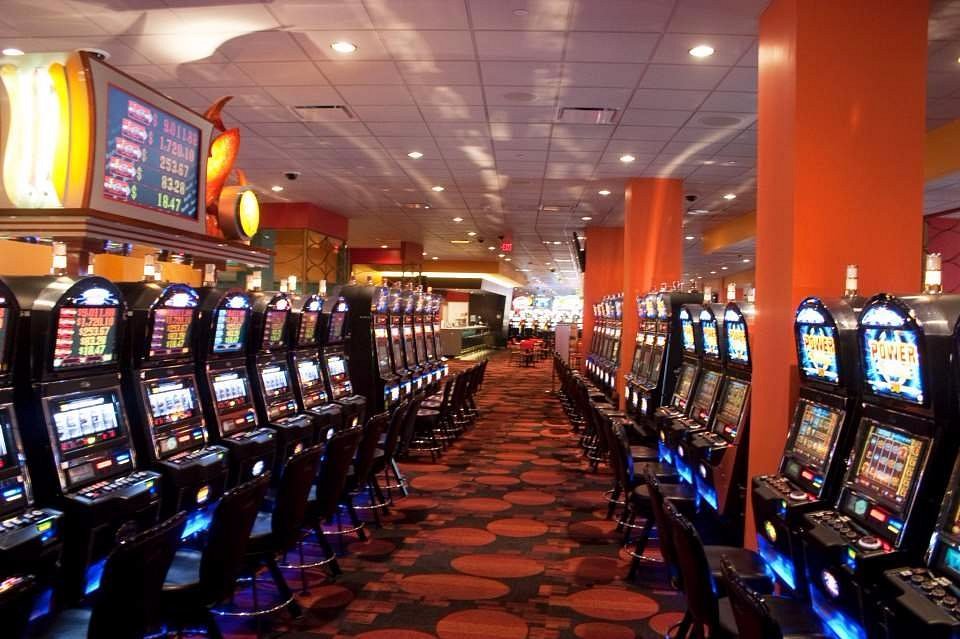
Chance also plays a critical role in creating dynamic and evolving gameplay experiences. Casino games often feature random bonuses and jackpots that can change the odds moment by moment, adding layers of excitement and unpredictability. Players are drawn to these moments of chance, as they offer the potential for substantial rewards beyond the standard gameplay. Game designers continually innovate and introduce new features that harness chance, ensuring that the gameplay remains fresh and enticing.
Moreover, understanding the mechanics of chance in game design aids casinos in managing player expectations and experiences. By carefully calibrating the odds and payouts, casinos can create environments that maximize both player engagement and profitability. In this way, chance not only influences player strategies but also shapes the entire landscape of casino gameplay, creating a rich tapestry of risk, reward, and exhilarating unpredictability.
Exploring Responsible Gambling and Chance
Responsible gambling is an essential component when discussing the role of chance in casino strategies and gameplay. Understanding that luck plays a significant role in outcomes can help players recognize the importance of moderation and self-control. Establishing clear personal limits, both financially and temporally, allows players to enjoy the thrill of chance without crossing into risky behavior. This awareness can enhance the enjoyment of gambling, transforming it into a recreational activity rather than a potentially harmful pursuit.
Moreover, many casinos provide resources to promote responsible gambling practices, highlighting the importance of understanding chance and its implications. By offering educational materials, resources for self-assessment, and support for those who may develop gambling problems, casinos can foster healthier environments. Players who engage with these resources are more likely to forge a sustainable relationship with gambling while recognizing the significant part chance plays in their gameplay experiences.
Ultimately, responsible gambling and a healthy perspective on chance can help players navigate the dual nature of excitement and risk in casino gaming. By promoting awareness of how chance influences strategies, players can engage more thoughtfully and deliberately, enjoying the excitement of the games while minimizing the potential downsides of gambling. The balance of enjoyment and responsibility is vital in ensuring that gaming remains a positive experience for everyone involved.